
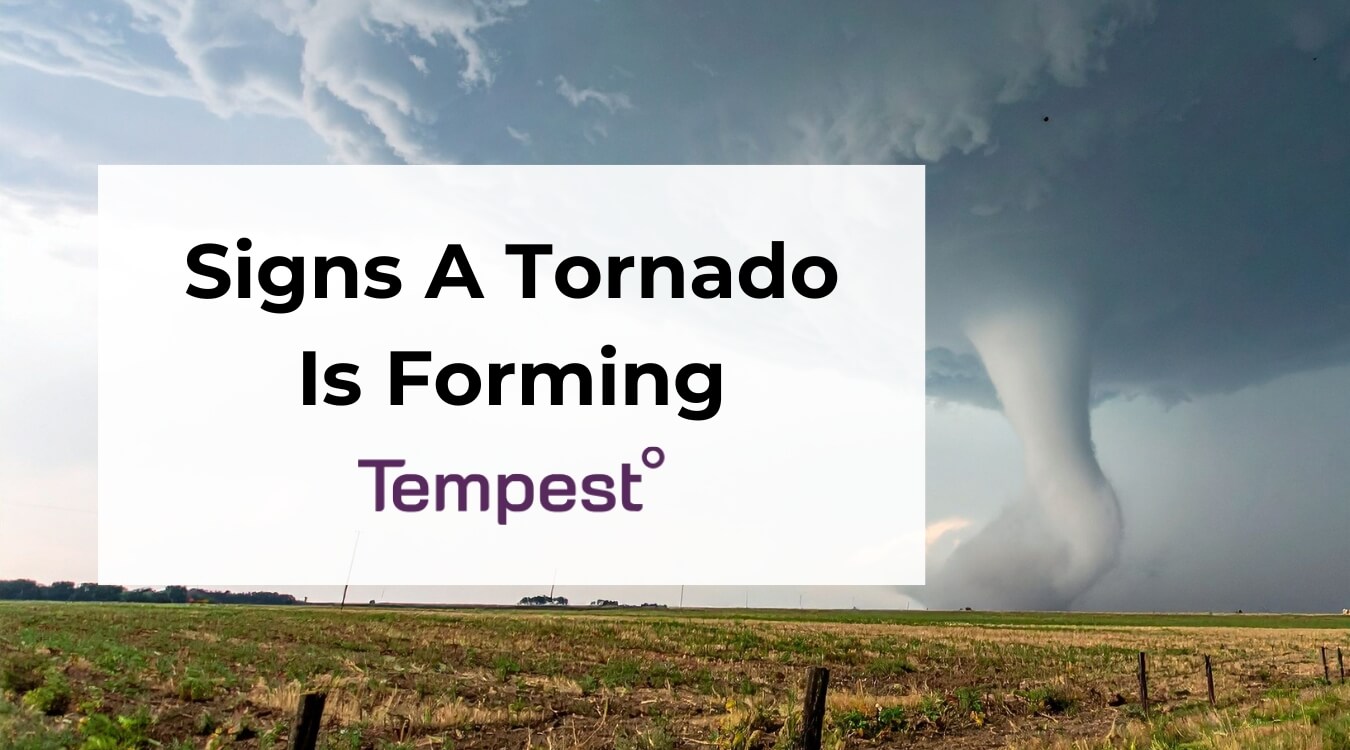
Tornadoes are some of nature’s most powerful and unpredictable weather phenomena. If you live in an area prone to them, you’ve likely wondered, “How do tornadoes form, and what causes these violent funnels to appear so suddenly?”
Tornadoes can develop in minutes, leaving little time to react. Knowing how twisters form and recognizing early warning signs can make all the difference. When you understand the forces behind these storms, you’re better prepared to take quick, life-saving action when the skies start to turn.

What Is A Tornado?
A tornado is a rapidly rotating column of air that extends from a thunderstorm to the ground. It often appears as a funnel cloud with a swirling debris cloud at the surface. Winds range from weak to violent, with the strongest measured exceeding 300 mph. If you wonder, “How fast do tornadoes travel?”, many travel at 10 to 20 mph.
Most form from supercell thunderstorms, though landspouts and waterspouts can occur without a classic supercell. Damage is rated on the Enhanced Fujita scale, from EF0 light damage to EF5 catastrophic. Tornadoes differ from straight-line winds because the circulation is compact and intensely rotational.
Want to learn about other powerful natural events? Go to our guide on different types of natural disasters, and learn how to stay safe during them.
How Does A Tornado Form?
Tornadoes form when warm, moist air near the ground meets cold, dry air higher up. The difference in temperature and wind speed causes the air to start spinning sideways. A strong upward draft then pulls this spinning air upright. The combination of instability and wind shear can cause a tornado when rotation tightens into a visible funnel.
Tornadoes usually occur in Tornado Alley, also known as Tornado Valley. Where is Tornado Alley? It commonly refers to the Great Plains from Texas through Oklahoma, Kansas, and Nebraska into South Dakota. And when does the tornado season start? It depends on the region. Tornado activity ramps up in spring across the South, then shifts north by late spring and early summer, with a secondary fall season. But tornadoes can happen anywhere at any time under the right conditions.
Looking for an engaging way to demonstrate this process? Check out our hands-on weather activities for kids, including how to make a tornado in a bottle.
Signs A Tornado Is Coming
The most reliable tornado warning signs appear with a severe thunderstorm, especially when a supercell is present. Look for a persistent, rotating lowering and a growing debris plume near the ground. Signs a twister is forming include:
- Dark, greenish sky and rapidly rising scud clouds
- A sudden stillness after a thunderstorm
- A rotating wall cloud or funnel cloud
- A loud, continuous roar, not the short bursts of thunder
- Power flashes or a debris cloud at ground level
- Sudden wind shift with blowing dust or leaves
Stay aware of local sirens, smartphone alerts, and broadcast updates. If a warning is issued, seek shelter in a small interior room or basement, cover your head, and avoid windows. To plan ahead, use our severe weather preparedness guide and learn how weather radar helps detect rotation.
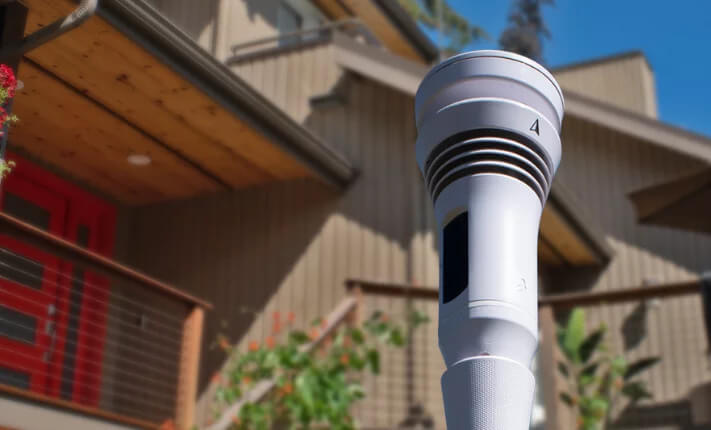
Get Accurate Hyperlocal Weather Forecasts With The Tempest Weather System
Knowing the science behind tornadoes is only part of staying safe; having accurate, real-time weather data is what keeps you prepared. The Tempest Weather System uses advanced Nearcast™ Technology to deliver hyperlocal forecasts based on weather conditions right where you live. Unlike regional forecasts, Tempest provides minute-by-minute updates that can help you know when a storm is coming.
Track changes in wind speed, temperature, and pressure with precision. The Tempest app sends instant alerts straight to your phone, helping you act fast when severe weather threatens. Stay informed and ready for whatever nature brings.
Shop the Tempest Home Weather System today and take control of your weather safety.