

Knowing the ideal running temperature can make every run feel easier and more enjoyable. Many runners notice that their pace, comfort, and energy levels change with the weather, which leads to a common question: What is the best running temperature, and how do conditions like heat, wind, or humidity affect performance?
The answer matters because running weather influences both safety and speed. In this guide, you will learn what experts consider the best temperature for running, when conditions become unsafe, and how different weather factors affect your workouts. By the end, you will know how to plan outdoor runs with confidence and find the perfect running weather for your goals.
- Best Running Temperatures
- When Is It Too Hot Or Cold To Run?
- What Are The Weather Factors To Consider While Running?
See real running weather conditions in your neighborhood with the Tempest Weather System.
Best Running Temperatures
Most experts agree that the best running temperature falls between 45 and 55 degrees Fahrenheit. This range often creates good running weather because the body can stay cool without expending extra energy. Many runners describe this range as the perfect weather for running because it supports steady breathing, efficient movement, and a controlled heart rate.
For casual runners, the ideal running temp may stretch slightly higher. Temperatures around 50 to 60 degrees often feel comfortable for easy runs, especially when sunlight or light wind is present. These mild conditions still offer the best weather for running without causing overheating or early fatigue.
Competitive athletes tend to prefer cooler temperatures. Research on marathon performance shows that the ideal running temperature for speed is closer to 40 to 50 degrees. This best temp for running keeps the body from overheating while allowing long, sustained efforts. Faster runners generate more internal heat, which is why cooler air leads to stronger race day times.
Even with these guidelines, personal preference matters. Some people enjoy slightly warmer running weather, while others perform better in crisp, cool air. Your perfect running weather depends on how your body handles heat, humidity, and sunlight. The important thing is to learn which conditions help you maintain a steady rhythm from start to finish.
Curious what the best thermostat setting is for after your run? Read our comprehensive guide for the recommended thermostat settings in winter and summer.
When Is It Too Hot Or Cold To Run?
While the best running weather sits in the middle of the temperature spectrum, both heat and cold can create risks. Hot conditions increase the chance of dehydration and heat exhaustion. When temperatures climb above 70 degrees, the body works harder to cool down, making each mile feel more difficult.
Running above 80 degrees can be dangerous, especially when the humidity is high. In these conditions, sweat evaporates slowly, which limits the body’s ability to stay cool. When temperatures reach 90 degrees or more, even experienced runners may struggle to maintain a safe pace. During very hot days, many athletes choose shorter runs, shaded routes, or cross-training indoors.
Cold temperatures bring a different set of challenges. Below 30 degrees, breathing can feel uncomfortable, and exposed skin becomes more vulnerable to frostbite. At 20 degrees or colder, icy paths, stiff muscles, and wind chill can make workouts unsafe. These conditions may require shorter runs, additional layers, or a focus on indoor training.
If outdoor temperatures fall outside your best temperature to run in, simple adjustments can still support your goals. Slowing down, staying hydrated, choosing protected routes, or modifying workout plans can help you stay safe. The best running temperature for your health is one that minimizes risk and supports steady progress over time.
Learn more about staying safe while running in the heat in our How Hot Is Too Hot To Be Outside? blog.
What Are The Weather Factors To Consider While Running?
Temperature is only one part of running weather. Humidity, sunlight, wind, and precipitation all influence how conditions feel and how your body performs. Even when the thermometer shows a comfortable running temperature, these factors can change your experience.
Humidity affects how well sweat evaporates. High humidity makes the air feel warmer, reducing your ability to cool down. Running in humid conditions can make temperatures in the 60s feel closer to the high 70s, which shifts the ideal running temperature higher or lower depending on body response. This is why checking the heat index before going on a run is important.
Wind also changes how running weather feels. A light breeze can make warm temperatures feel cooler, creating some of the best running weather for long efforts. Strong headwinds, however, increase effort and can make cool air feel harsh. Tailwinds often help runners maintain speed with less strain.
Sun exposure plays a major role in finding the perfect running weather. Direct sunlight increases perceived temperature and can create additional stress on hot days. Cloudy conditions may support the best temp to run in by preventing overheating and helping runners maintain a steady pace.
Finally, precipitation influences comfort and safety. Light rain may create good running weather by keeping temperatures cool, but heavy rain can reduce visibility, increase slipping risks, and cause quick cooling after sweat accumulation. Snow and ice add further challenges, especially when surfaces become uneven or slick.
Understanding these factors helps you find the best temperature for running based not only on the air temperature but on how conditions feel. With accurate, real-time updates, you can choose the best weather for running that day and adjust your plans accordingly.
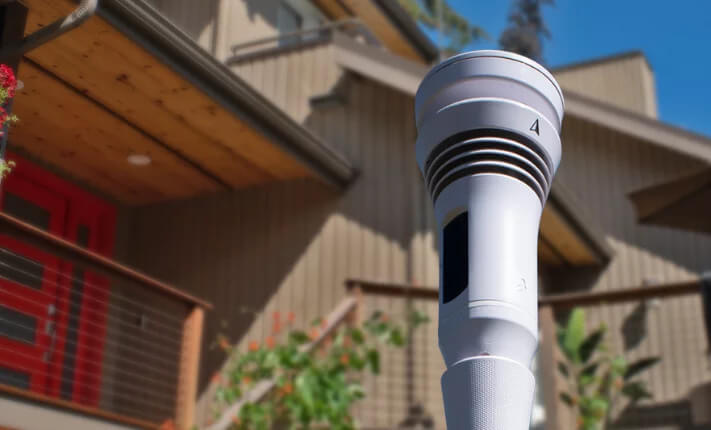
Get Accurate Hyperlocal Weather Forecasts With The Tempest Weather System
Finding your ideal running temperature becomes much easier when you have precise, real-time data. Temperature changes quickly, and factors like humidity, wind, and sunlight shift throughout the day. The Tempest Weather System gives you hyperlocal insights so you can choose the best running temperature for your route and schedule.
With personal weather data, you can identify the perfect running weather in advance, avoid unsafe conditions, and match your workouts to the best running weather each week. Whether you prefer cool early morning runs or mild afternoon miles, Tempest helps you plan your outdoor hobby with confidence.
See how accurate forecasting can improve your outdoor routine with the Tempest Weather System, designed to help you stay active in every season.