
If you’ve ever wondered what causes floods or if your home could be at risk of one, you’re not alone. Flooding can seem sudden and unpredictable, especially when heavy rain turns into rising water overnight.
Floods affect homeowners, commuters, and outdoor enthusiasts across the United States. From steady river overflow to sudden flash floods, the causes vary by weather, geography, and infrastructure. Below, we’ll break down what the causes of floods are, how flash floods happen, and where floods occur most often.
Protect your home with real-time, hyperlocal weather alerts from the Tempest Weather System.
What Causes Floods?
The most common cause of a flood is prolonged or torrential rainfall that overwhelms the ground’s ability to absorb water. When soil becomes saturated, excess water runs into streams and rivers, causing levels to rise quickly. In many cases, river flooding is usually caused by days of steady rain combined with upstream runoff.
Flooding can also result from storm surges during atmospheric rivers, hurricanes, tropical storms, rapid spring snowmelt, ice jams, and levee or dam failures. Human activity also increases flood risk. Urban areas with pavement and rooftops prevent water from soaking into the ground, while poor drainage systems can turn moderate rain into serious flooding.
Learn more about extreme natural disasters that can affect you.
How Do Flash Floods Happen?
If traditional floods build over hours or days, how do flash floods happen so quickly? Flash floods occur when heavy rainfall exceeds the capacity of the soil or drainage systems to handle it. Even one slow-moving thunderstorm can drop several inches of rain in a short period, creating dangerous runoff.
Flash floods are especially common in dry regions with hard soil, mountainous areas where water funnels downhill, and urban locations with limited drainage. Because they form rapidly, they leave little time for warning or evacuation. That speed is why many people ask, why do floods happen without notice? In flash flood cases, the timeline can shrink to minutes.
Understand rainfall intensity better in our How Much Rain Is A Lot Of Rain In Different U.S. Regions? blog.
Where Do Floods Occur?
Flooding is most common in coastal regions, floodplains near rivers, and low-lying urban areas. Coastal flooding often happens during hurricanes or storm surges that push ocean water inland.
Inland, river flooding is typically caused by prolonged upstream rainfall or snowmelt. Cities are also highly vulnerable because paved surfaces increase runoff. Areas near dams or levees face added risk if infrastructure fails. Climate patterns, land development, and terrain all influence how floods happen in specific regions. Knowing your local geography is key to understanding risk.
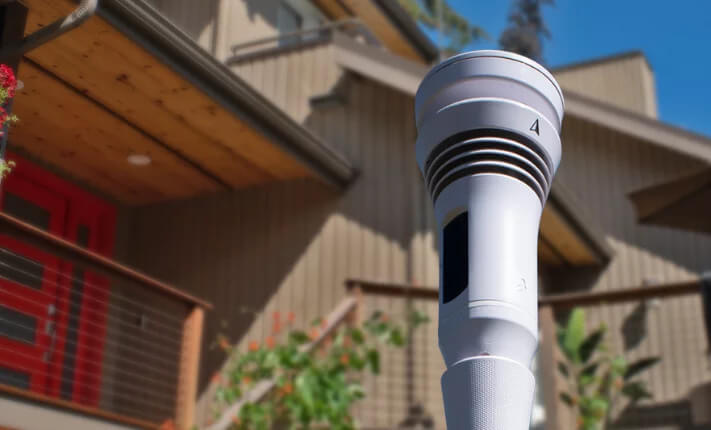
Get Accurate Hyperlocal Rain Forecasts With The Tempest Weather System
Now that you understand what the causes for floods are and how flash floods happen, the next step is preparation. Flooding is often the result of a combination of rainfall intensity, ground conditions, and infrastructure limits. Monitoring those variables in real time gives you an advantage.
The Tempest Weather System uses Nearcast™ Technology to deliver hyperlocal rain data and forecasts directly to your phone. Instead of relying only on regional predictions, you can track rainfall totals, wind shifts, and pressure changes at your exact location, with timely alerts that help you stay ahead of rapidly changing conditions. This insight supports smarter planning and more accurate weather risk assessments for businesses and homes.
If you want to take action before the next storm hits, see how real-time data helps you stay ahead of changing conditions with a personal weather station. Get your own Tempest Weather System today, and turn local weather insight into practical protection.