
Seeing a heat dome alert on a weather app or in a forecast can raise immediate questions about what it means and how it may impact work or daily life. While temperatures may already appear elevated, the presence of a heat dome signals a more persistent and potentially hazardous weather pattern.
A heat dome is more than a period of hot weather. It can strain infrastructure, increase energy demand, and pose serious health risks for individuals and employees. Understanding what a heat dome in weather is, how it forms, and how it compares to a heat wave helps readers make informed decisions and prepare effectively for extreme heat conditions.
- What Is A Heat Dome?
- Heat Dome Vs. Heat Wave
- What Causes A Heat Dome?
- How To Prepare For Heat Domes And Heat Waves
Keep your employees and communities safe with the TempestOne, a heat-stress monitoring system that provides hyperlocal heat-safety insights.
What Is A Heat Dome?
A heat dome is a weather pattern where a strong high-pressure system traps hot air over a region for an extended period. This pressure system acts like a lid, preventing heat from escaping and allowing temperatures to build day after day.
As the air is compressed under the high pressure, it heats up even more. This leads to prolonged stretches of extreme temperatures, often lasting several days or even weeks. Heat domes commonly form over large land areas, especially during the summer months.
For example, in early March 2026, the southwestern United States experienced a heat dome that raised temperatures by 20-30℉ above average across parts of California, Nevada, and Arizona, increasing health risks and environmental impacts. Events like this show how quickly heat domes can impact daily life and business operations.
Heat Dome Vs. Heat Wave
The difference between a heat dome and a heat wave comes down to cause and definition.
- A heat dome is a specific atmospheric setup caused by high pressure.
- A heat wave is a general term for several days of unusually hot weather.
In many cases, heat domes cause heat waves. That is why the terms are often used together, but not all heat waves are driven by heat domes.
Learn how heat affects the body by using the Wet Bulb Globe Temperature to get heat-stress insights.
What Causes A Heat Dome?
If you are asking what causes a heat dome, the answer starts high in the atmosphere. A strong high-pressure system forms and slows down the jet stream, which normally helps move weather systems along.
With the jet stream stalled, hot air becomes trapped beneath the high-pressure system. As the air sinks, it compresses and warms further, creating a cycle where temperatures continue to rise.
Climate patterns can also influence how often heat domes occur. Warmer global temperatures may increase the likelihood of persistent high-pressure systems, making them more frequent and intense in some regions.
Keep safe outside during a heat wave by knowing when it’s too hot to be outside.
How To Prepare For Heat Domes And Heat Waves
Preparing for heat domes and heat waves starts with understanding your environment and planning ahead. For homeowners, this means keeping indoor spaces cool, staying hydrated, and limiting outdoor activity during peak heat hours.
Businesses should take additional steps to protect employees and operations. This includes adjusting work schedules, monitoring heat exposure, and ensuring access to cooling areas. Outdoor workers are especially at risk during prolonged extreme heat events.
It is also important to have an emergency plan. Power outages, equipment failures, and heat-related illnesses like heat stroke become more likely during a heat dome. Staying informed with accurate, local data can make a significant difference.
Protect your team and yourself with heat-stress prevention strategies in the workplace.
Get Hyperlocal Heat Alerts With The Tempest Weather System
Understanding what a heat dome is and how it differs from a heat wave gives you a clear advantage when extreme weather is on the way. These events are about more than high temperatures. They are also about duration, intensity, and how well you can respond.
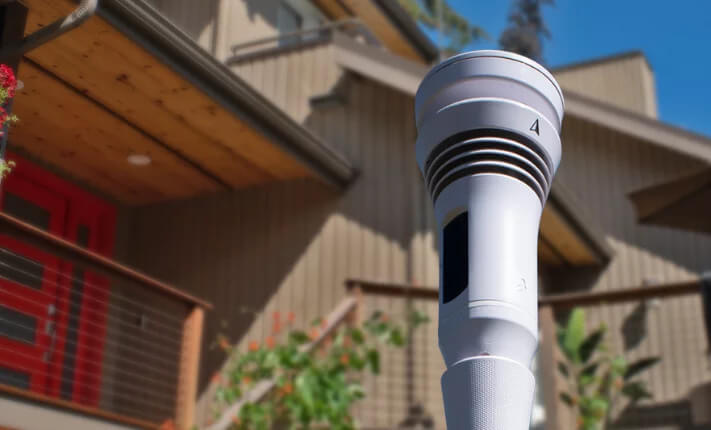
The most effective way to prepare is with accurate, real-time data. The Tempest Weather System uses advanced technology to deliver hyper-local insights that help you monitor changing conditions in real time. Whether you are managing a home, planning outdoor activities, or protecting a business, having precise data matters.
With tools like the Tempest Weather System and apps like the Heat Alert app, which is powered by the personal weather station, you can track temperature trends, receive alerts, and make informed decisions before conditions become dangerous.
Buy the Tempest Weather System to stay ahead of extreme heat and take control of your weather planning. Or get the TempestOne Heat Safety solution for your business.