
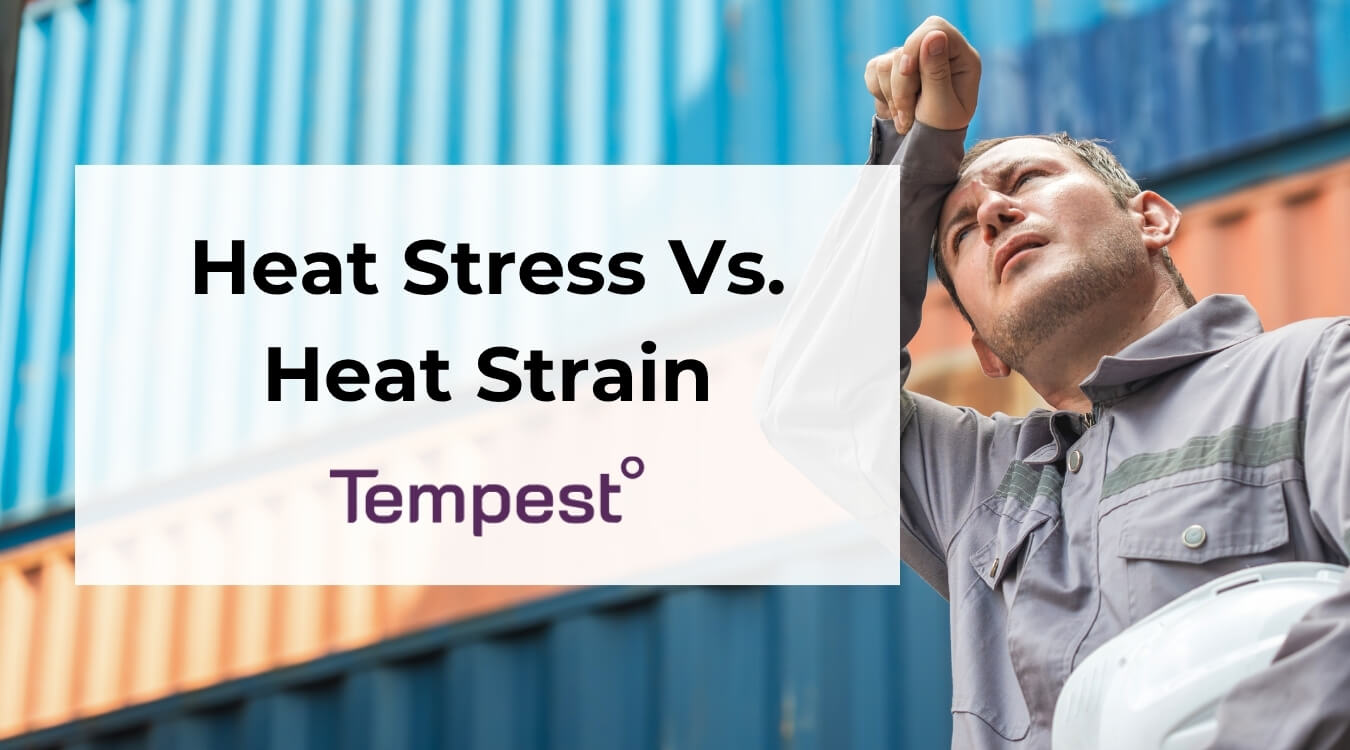
Heat stress does not always feel dangerous at first. It can build quietly while you are working indoors with little air conditioning during a heat wave, managing an outdoor job site on a hot day, or spending a long summer afternoon in your backyard. By the time the warning signs are obvious, normal warmth may have already turned into a real safety risk.
For homeowners, outdoor enthusiasts, and business operators, staying ahead of heat conditions is essential. Whether you are planning your day or protecting a team, having the right awareness around heat stress helps you avoid unnecessary risk and make smarter decisions when temperatures rise.
- What Is Heat Stress?
- Heat Stress Vs. Heat Strain
- Symptoms Of Heat Strain
- Types Of Thermal Stressors
- How To Practice Heat Safety
What Is Heat Stress?
Heat stress occurs when the body cannot regulate its internal temperature effectively. When exposed to high temperatures, humidity, or intense physical activity, the body struggles to cool itself through sweating. This leads to a rise in core temperature, which can affect physical and mental performance.
This condition can develop in many environments. Occupational heat stress is common in construction, agriculture, and manufacturing, where workers face prolonged heat exposure. It also affects homeowners and outdoor enthusiasts during heat waves or intense summer conditions.
As temperatures continue to rise globally, heat stress in the workplace and in daily life is becoming a growing safety concern. Without proper awareness and planning, even short periods of exposure can lead to heat-related illness.
Heat Stress Vs. Heat Strain
- Heat stress refers to external conditions, such as temperature, humidity, and activity level, that place strain on the body.
- Heat strain describes the body’s physical response, such as increased heart rate, sweating, and rising body temperature.
For example, working outdoors in high humidity can cause heat stress, while dizziness or fatigue may indicate heat strain.
Learn how to measure heat risk more accurately with Wet Bulb Globe Temperature (WBGT) insights.
Symptoms Of Heat Strain
Heat strain often develops gradually, starting with mild discomfort and progressing into serious health risks. Early recognition plays a key role in the prevention of heat stress and avoiding emergencies.
Common early symptoms include fatigue, thirst, and excessive sweating. As conditions worsen, the body may struggle to function normally, leading to confusion or physical instability.
Watch for these warning signs and symptoms:
- Heavy sweating or hot, dry skin
- Headache or dizziness
- Nausea or vomiting
- Rapid heartbeat or confusion
Ignoring these symptoms can lead to severe conditions like heat exhaustion or heat stroke. Taking action early supports effective heat stress prevention and protects long-term health.
Stay cool during extreme heat with these 10 ways to stay cool.
Types Of Thermal Stressors
Several thermal stressors contribute to heat stress, often working together to increase risk. Understanding these factors helps you identify dangerous conditions before they escalate.
Environmental and physical conditions play a major role. High temperatures combined with humidity reduce the body’s ability to cool down, while physical exertion increases internal heat production.
Key thermal stressors include:
- High air temperature and direct sunlight
- High humidity that limits sweat evaporation
- Physical activity or heavy workloads
- Personal protective equipment (PPE) or limited airflow
For example, a worker wearing protective gear in a hot warehouse faces multiple stressors at once. Similarly, outdoor activities during peak afternoon heat can quickly increase risk levels.
Understand safe temperature thresholds with our guide on how hot is too hot to be outside.
How To Practice Heat Safety
Practicing heat safety requires a combination of preparation, awareness, and consistent habits. Small adjustments can significantly reduce the risk of heat stress in both personal and professional settings.
Start by staying hydrated and drinking water regularly, even before feeling thirsty. Schedule activities during cooler parts of the day and take rest breaks in shaded or air-conditioned areas. Wearing lightweight, breathable clothing also supports the body’s natural cooling process.
Employers and individuals share responsibility for heat stress prevention. Workplaces should provide rest periods, training, and monitoring systems to reduce occupational heat stress. At home or outdoors, staying informed about weather conditions helps you plan safely.
Build safer routines with these heat-stress prevention strategies in the workplace.
Get Hyperlocal Heat Alerts With The Tempest Weather System
Heat stress can develop quickly when conditions change without warning. Understanding heat stress and managing thermal stressors all contribute to safer decision-making. However, accurate and real-time weather data makes those decisions even more effective.
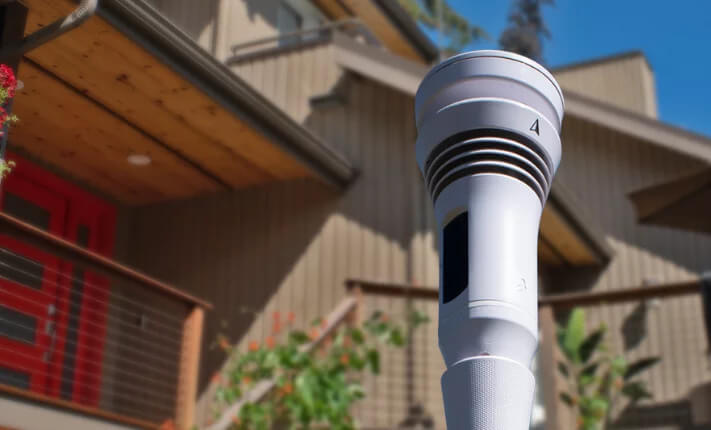
The Tempest Weather System delivers hyperlocal insights that help you monitor temperature, humidity, and changing conditions in real time. This level of detail supports better heat safety planning, whether you are managing outdoor work, planning activities, or protecting your home environment.
For businesses and teams, TempestOne’s Heat Safety feature adds another layer of protection by tracking risk levels and helping reduce heat stress in the workplace. Paired with the Heat Alert app, it provides timely notifications so you can respond before conditions become dangerous.
Get the clarity you need to plan ahead, reduce risk, and improve heat stress prevention by exploring the Tempest Home Weather System.