
Long before weather apps, Doppler radar, and hyperlocal forecasts, gardeners looked to nature for clues about what the weather might do next. Generations of gardeners have observed how plants respond to changes in humidity, air pressure, temperature, and moisture—often noticing subtle shifts before rain or storms arrive.
Some weather folklore has even become legendary. One of the best-known examples is predicting weather with persimmon seeds, where people slice open a persimmon seed and interpret the shape inside to forecast the coming winter. While traditions like this are fascinating, scientific evidence doesn’t support persimmon seeds as reliable forecasting tools.
So, can plants really predict the weather?
While plants can’t forecast the future, many species do respond to environmental changes that occur before weather systems move in. These natural responses have inspired centuries of weather folklore and still offer gardeners interesting clues about changing conditions.
The good news is that you no longer have to rely solely on weather signs in nature. A Tempest Home Weather System provides hyperlocal, real-time weather data right in your backyard, helping you confirm what nature may be telling you and make smarter decisions for your garden.
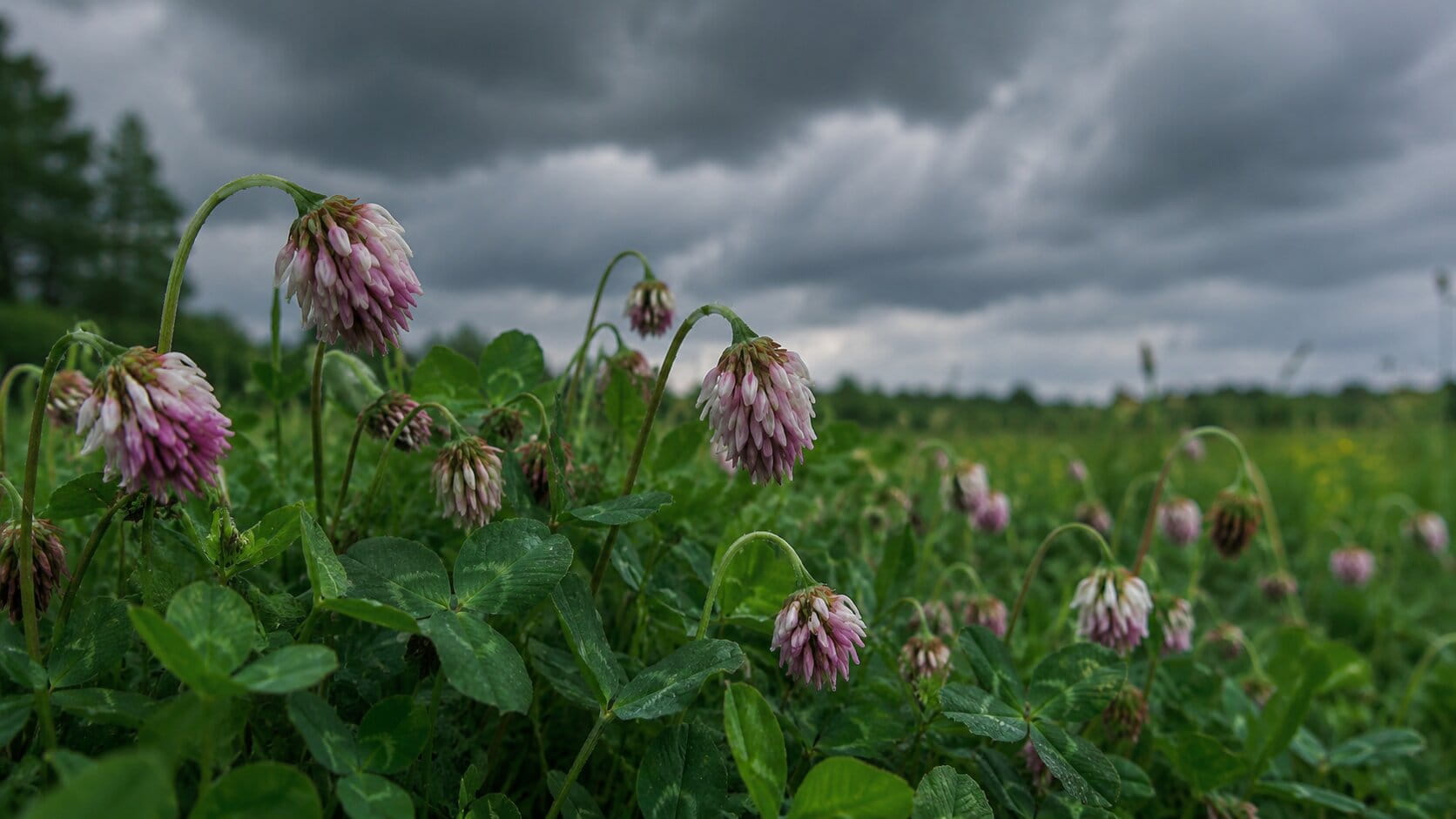
1. Clover Flowers Droop Before Rain
Many gardeners believe clover blossoms hang lower before rain arrives. Increased humidity can affect plant tissues, causing flowers and leaves to droop slightly.
Tempest Tip: Watch your local humidity and barometric pressure trends with Tempest. Falling pressure combined with rising humidity often signals approaching rain.
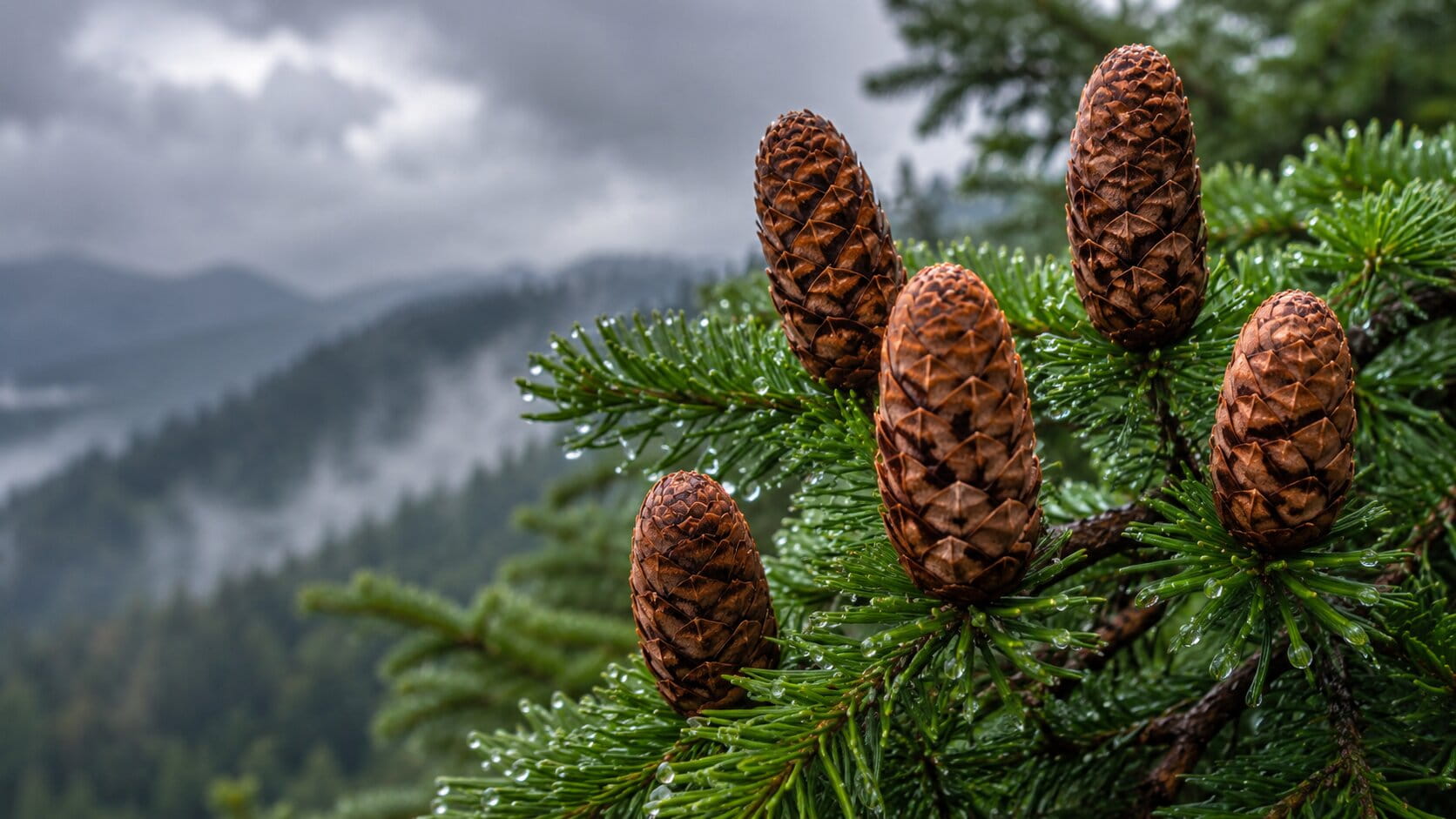
2. Pinecones Close When Moisture Is Coming
Pinecones are famous natural weather indicators. Their scales open in dry conditions and close when humidity rises to protect seeds from moisture.
Tempest Tip: A sudden increase in humidity and a drop in pressure on your Tempest dashboard can help confirm that wetter weather is on the way.
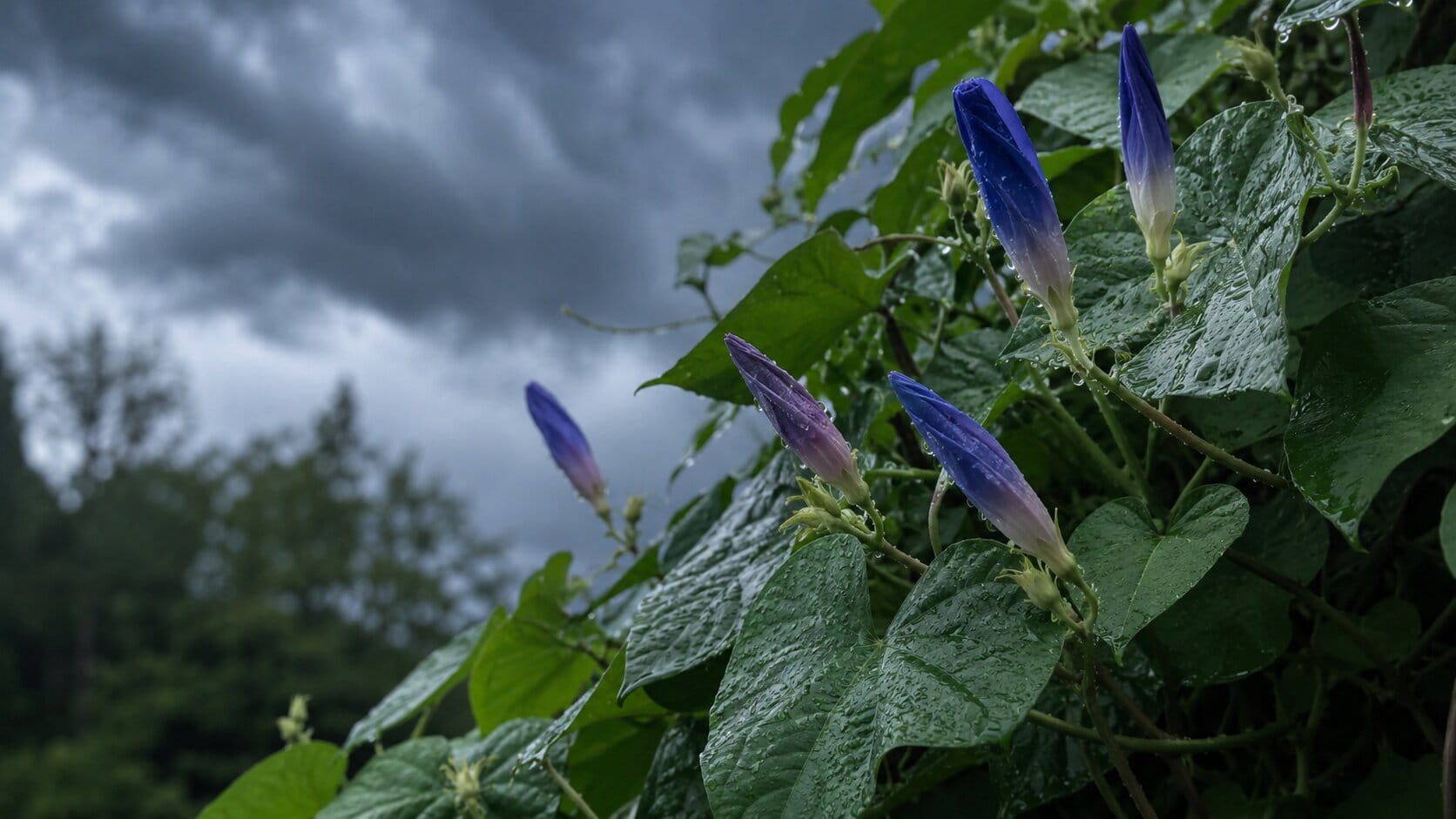
3. Morning Glories Stay Closed on Stormy Days
Gardeners often notice that morning glories remain tightly closed before cloudy, rainy, or stormy weather. Reduced sunlight and increased humidity can influence blooming behavior.
Tempest Tip: Use Tempest precipitation forecasts and lightning alerts to know exactly when unsettled weather is approaching.
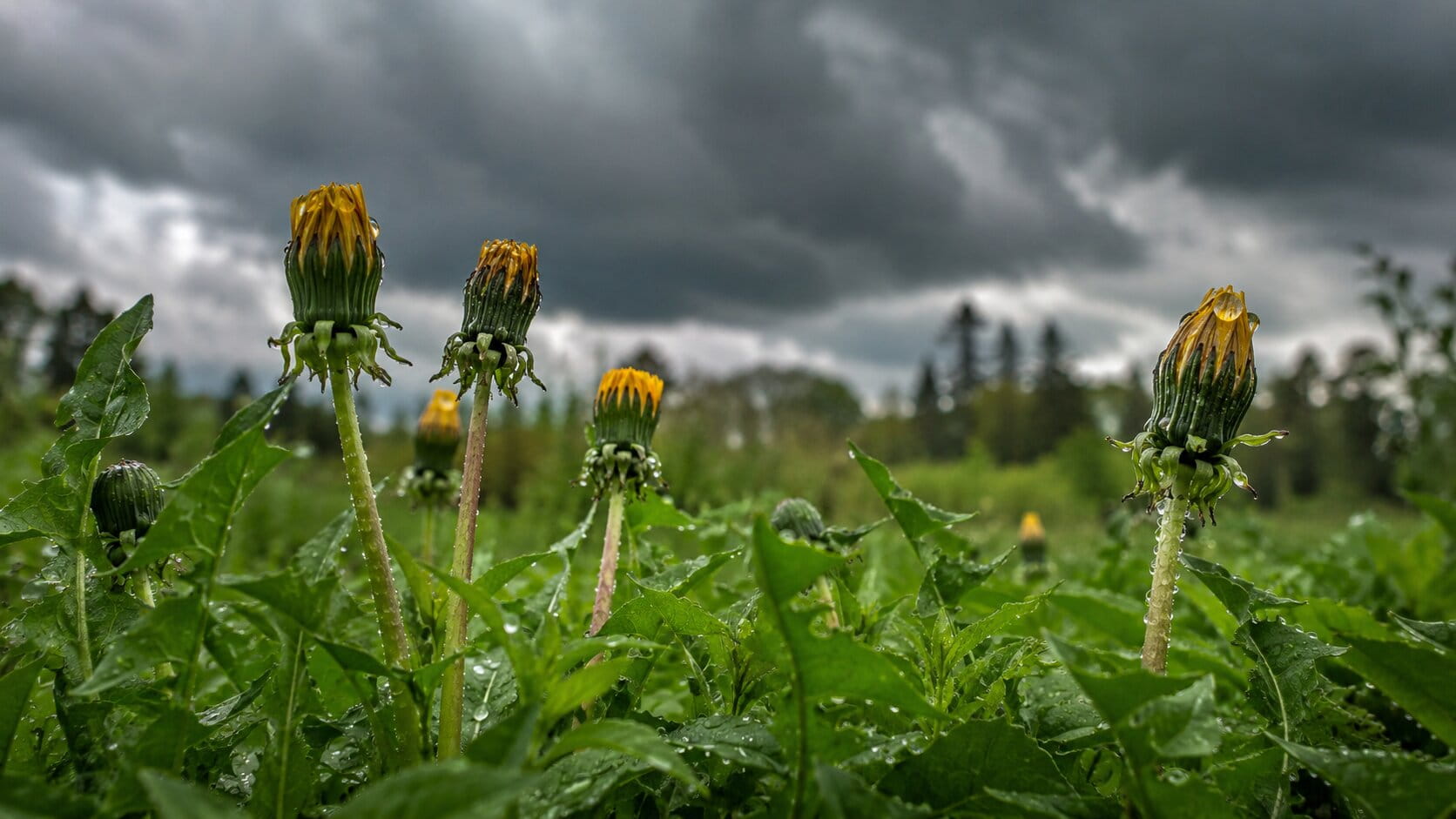
4. Dandelions Close Their Blooms Before Rain
Dandelion flowers often close when rain is expected, protecting pollen from moisture. This behavior has made dandelions one of the best-known weather folklore examples.
Tempest Tip: Precipitation forecasts from Tempest remove the guesswork and help you plan garden tasks with confidence.

5. Lilacs or Roses May Smell Stronger Before a Storm
Some gardeners swear that lilacs or roses release a stronger fragrance before rain. Higher humidity can intensify floral scents, making blooms seem more fragrant.
Tempest Tip: Monitor humidity changes in real time with Tempest to better understand how local weather affects your garden.

6. Leaves Turn or Curl Ahead of Weather Changes
Certain plants curl leaves or expose lighter undersides before storms due to shifts in humidity, wind, and pressure.
Tempest Tip: Tempest tracks wind speed, gusts, and pressure trends so you can prepare for changing conditions before severe weather arrives.

7. Flowers Close Earlier Than Usual
Many flowers naturally close at night, but some gardeners notice earlier closing behavior ahead of wet weather. Increased moisture and reduced sunlight may trigger these responses.
Tempest Tip: Real-time weather observations from your own backyard provide a much more reliable indication of whether rain is actually on the way.
Why Gardeners Need Hyperlocal Weather Data
Natural signs can be fascinating and sometimes surprisingly accurate, but they should be viewed as clues rather than forecasts. Weather conditions can vary dramatically from one neighborhood to another.
The Tempest Home Weather System gives gardeners accurate, hyperlocal weather intelligence including:
• Real-time temperature, humidity, wind, and rainfall measurements
• Barometric pressure trends
• Site specific precipitation forecasts
• Lightning and severe weather alerts
• Historical weather data to identify garden trends
With Tempest, you can combine generations of gardening wisdom with modern weather technology to protect plants, optimize watering, and make better decisions year-round.
Final Thoughts
Plants may not truly predict the weather, but they do respond to environmental changes that often occur before weather shifts. Whether it’s pinecones closing before rain, clover drooping, or the long-standing tradition of predicting weather with persimmon seeds, these natural observations remind us how closely plants interact with their environment.
When paired with a Tempest Home Weather System, those observations become even more powerful. Nature provides the clues – Tempest provides the confidence.
Learn more about the Tempest Home Weather System and start gardening with hyperlocal weather today.