
Ever wonder whether a weather warning vs. watch means you should take cover or just keep an eye on the sky? Understanding these alerts can make all the difference in keeping your home and family safe during severe weather.
The National Weather Service uses advisories, watches, and warnings to help people understand the level of risk during changing weather conditions. These alerts allow you to plan ahead, take precautions when needed, and act quickly if danger is approaching. Knowing what each alert means helps you stay calm and make smart decisions when the weather turns.
- What Is A Weather Watch?
- What Is A Weather Advisory?
- What Is A Weather Warning?
- Is A Watch Or Warning Worse?

What Is A Weather Watch?
A weather watch means conditions are favorable for severe weather to form, but it hasn’t started yet. Meteorologists look at temperature, humidity, wind patterns, and air pressure to see when these conditions might come together to create storms. When those signs appear, they issue a watch to give people extra time to get ready.
During a watch:
- Take shelter and stay alert in case the watch becomes a warning.
- Keep an eye on local forecasts and radar.
- Review your safety or emergency plan.
Need to adjust your event plans safely? Learn how to cancel an event due to weather.
What Is A Weather Advisory?
A weather advisory is issued when the atmosphere is producing conditions that could create minor hazards but are not yet severe or life-threatening. It’s a way for meteorologists to alert the public that the weather may disrupt or pose a threat to normal activities or travel.
For example, a wind advisory is issued when steady winds reach speeds that could make driving difficult, knock over small objects, or cause isolated power outages. A heat advisory warns that high temperatures and humidity could lead to heat exhaustion if people don’t take precautions.
When an advisory is active, stay alert to changes, avoid unnecessary risks, and check for updates in case conditions become more serious.
Want to stay ready for all conditions? Read our guide on how to prepare for severe weather.
What Is A Weather Warning?
A weather warning is issued when dangerous weather is already happening or is expected to begin very soon in an affected area. It’s the most serious type of weather alert and signals that you need to take immediate action to protect yourself and others.
Examples include:
- Tornado warning: A tornado has been spotted or detected by radar.
- Flash flood warning: Rapid flooding is already happening or imminent.
- Severe thunderstorm warning: Strong winds, hail, or heavy lightning are occurring nearby.
When a warning is issued, move to a secure location right away, stay off the roads if possible, and monitor reliable sources such as local alerts or weather apps until conditions improve.
Want to learn more about major weather threats? Explore different types of natural disasters to be aware of.
Is A Watch Or Warning Worse?
A warning is worse than a watch. A watch means conditions could become dangerous, while a warning means they already are dangerous.
- Watch = Be prepared.
- Warning = Take action.
If you see both alerts and are trying to remember the difference between a watch and a warning, remember this simple rule: Watch the weather. Follow the warning. Understanding the difference between a weather watch vs. warning ensures you know exactly when to stay alert and when to take shelter.
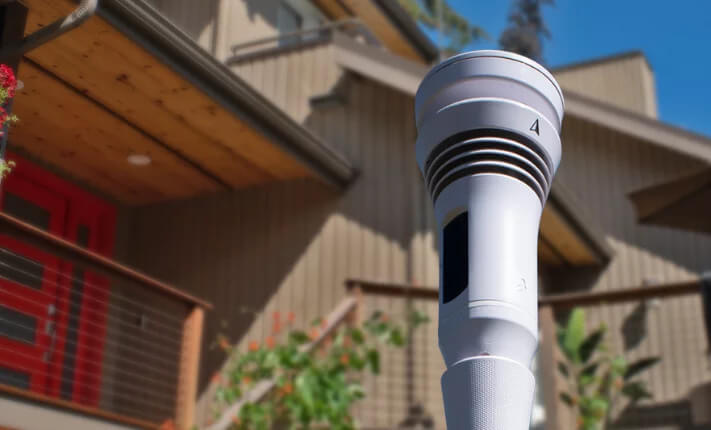
Get Accurate Hyperlocal Weather Forecasts With The Tempest Weather System
Knowing the difference between a weather watch and warning is the first step to staying safe. The Tempest Weather System takes it further by giving you real-time readings from your own backyard.
It connects directly to your smartphone or smart home devices, so you always know what’s happening at your exact location. Tempest delivers live updates on rainfall, wind, temperature, and lightning, helping you make informed decisions about your home and outdoor plans.
Whether you’re preparing for a storm or enjoying a sunny weekend, stay one step ahead of changing conditions. Learn more about the Tempest Home Weather System today!