
Severe thunderstorms cancel flights. Ice storms close highways. High winds knock out power and damage homes in a matter of hours. When forecasts warn of inclement weather, those impacts are often already underway.
Inclement weather is a broad term that covers a range of hazardous conditions, from heavy rain and snow to extreme heat and high winds. Understanding what inclement weather means and how different conditions affect your home, business, or outdoor plans makes it easier to prepare before disruptions begin. From protecting property to making safer decisions outdoors, knowing what to expect can reduce risk and limit costly damage.
- What Is Inclement Weather?
- Inclement Weather Examples
- How To Plan For And Respond To Inclement Weather
Get hyperlocal inclement weather condition forecasts from your backyard with the Tempest Weather System. Or learn about TempestOne, a professional suite of products and services that help you make smarter weather-related business decisions.
What Is Inclement Weather?
Inclement weather refers to severe or disruptive weather conditions that pose risks to safety, property, or daily operations. It includes events such as heavy rain, snowstorms, hurricanes, tornadoes, high winds, extreme heat, and ice storms. While some conditions may seem minor at first, they can escalate quickly and pose serious risks to homes, businesses, and communities.
One day may bring clear skies and calm temperatures, and the next could bring flash flooding or damaging winds. These events can shift from inconvenient to hazardous in a matter of hours. According to the National Centers for Environmental Information, the U.S. experienced 28 separate billion-dollar weather disasters in 2023 alone. The financial and safety impacts of inclement weather are real, widespread, and increasing.
Staying informed is the first step in preparation. Learn the difference between a weather watch and a warning so you know when to monitor conditions and when to take immediate action.
Inclement Weather Examples
Inclement weather includes a wide range of severe conditions that threaten public safety, infrastructure, and daily operations. These events vary by region but share one common factor: they can quickly disrupt normal life and create dangerous environments.
In colder climates, blizzards are among the most common and hazardous forms of impending weather. A blizzard is not just heavy snowfall and extreme cold. It also includes sustained winds of at least 35 mph and significantly reduced visibility for several hours. These conditions can make travel nearly impossible, increase the risk of car accidents, strain power lines, and even cause roof collapse under the weight of snow.
In warmer or more temperate regions, severe thunderstorms and heavy rainfall are frequent threats. Intense rainfall can overwhelm drainage systems and trigger flash flooding, putting buildings and anyone caught outdoors at serious risk. Strong undercurrents in floodwaters can sweep away vehicles and pedestrians in seconds.
Other extreme events include tornadoes, hurricanes, ice storms, high winds, and extreme heat. Tornadoes and hurricanes generate powerful winds that send debris airborne and cause widespread structural damage. Ice storms coat roads and power lines with thick layers of ice, creating dangerous driving conditions, fallen trees, and extended outages. Extreme heat can strain power grids, buckle roads, increase wildfire risk, and cause heat-related illnesses.
Before the next storm approaches, take time to understand how to prepare. Learn how to prepare for severe weather so you can respond with confidence when it matters most.
How To Plan For And Respond To Inclement Weather
Planning for and responding to inclement weather requires more than waiting for a general forecast on the evening news. Severe conditions can vary significantly from one neighborhood to the next, which means preparation should be proactive, localized, and based on reliable data.
Homeowners and outdoor enthusiasts benefit from having a clear response plan in place due to inclement weather. That includes:
- Identifying evacuation routes
- Securing outdoor equipment
- Reviewing communication plans and canceling any events
- Keeping at least three days of non-perishable food, water, and emergency supplies on hand.
For businesses, it may also mean:
- Adjusting staffing schedules
- Protecting assets
- Determining when to delay or cancel operations after reviewing their weather risk assessment.
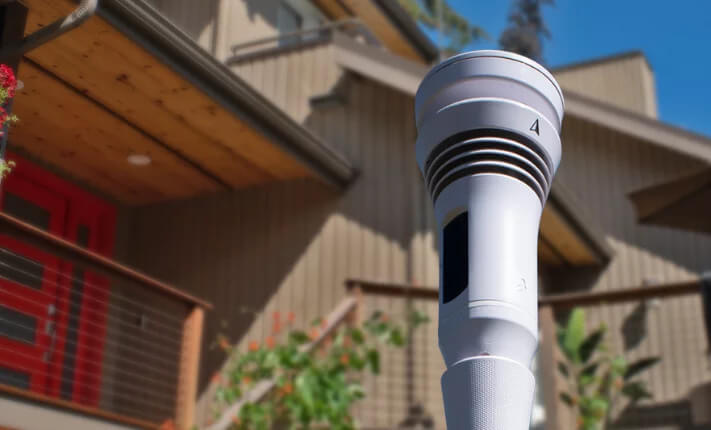
Equally important is access to real-time, hyperlocal weather intelligence. The Tempest Weather System and TempestOne provide precise AI-enhanced data that helps you monitor changing conditions as they happen. With better insight into wind, rainfall, temperature shifts, and approaching systems, you can make informed decisions earlier, reduce risk, and limit operational disruption before, during, and after severe weather events.
Get Hyperlocal Weather Readings With The Tempest Weather System
Inclement weather, from blizzards and hurricanes to flash floods and extreme heat, can put lives, property, and operations at risk. Relying solely on regional weather forecasts from television or weather apps often leaves critical gaps in accuracy, especially when conditions vary block by block.
The Tempest Weather System and TempestOne provide hyperlocal, real-time weather data so you can see exactly what is happening at your home, business, or job site. With precise insight into wind, rainfall, temperature shifts, and approaching systems, you can make faster decisions and respond before conditions escalate.
When the weather turns unpredictable, accurate information makes all the difference. Take control of your forecast and shop the Tempest Weather System today.